Thinking outside the box: street papers in Latin America
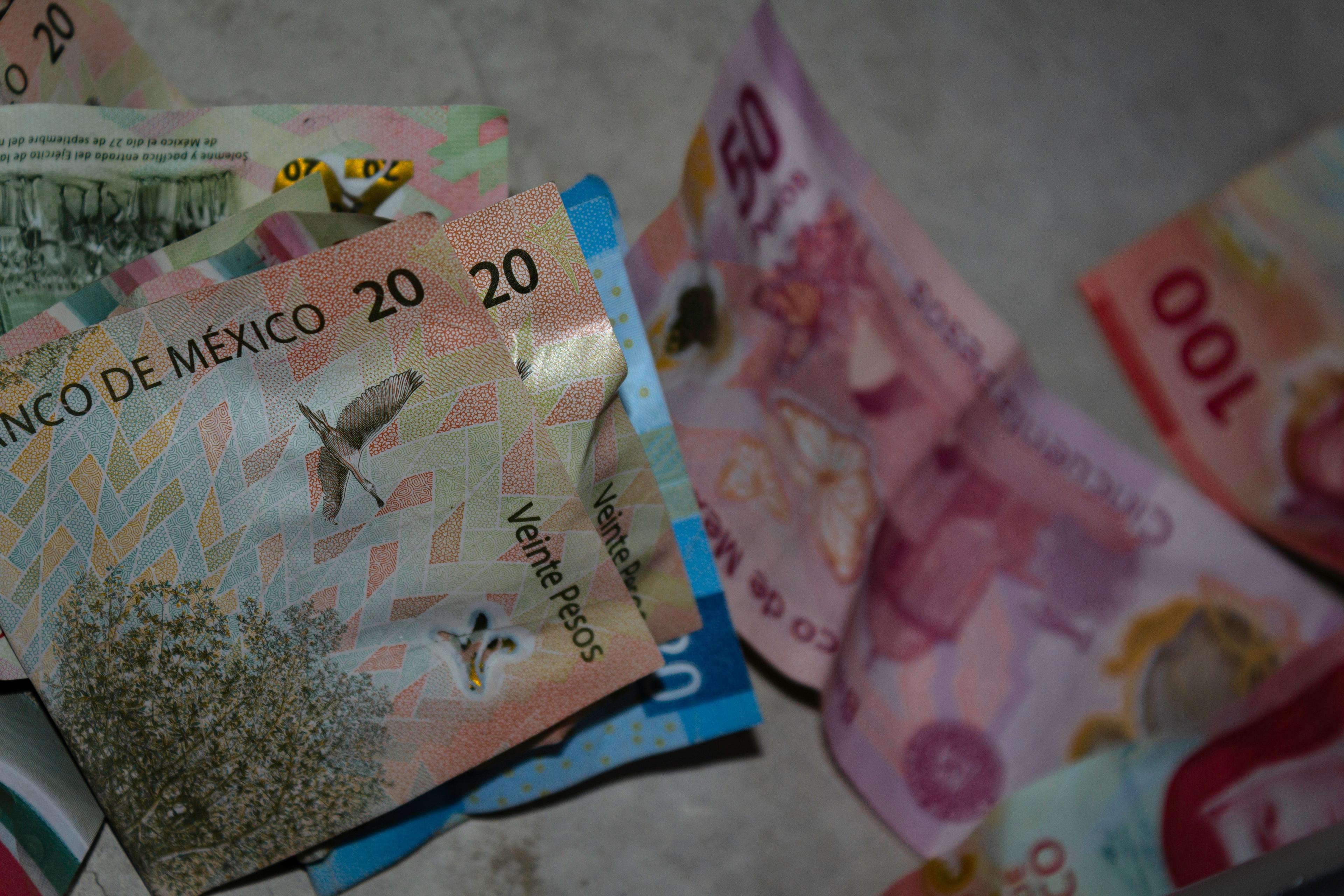

Photo by Marco Antonio Casique Reyes
By Jonas Meindl
- Street paper news

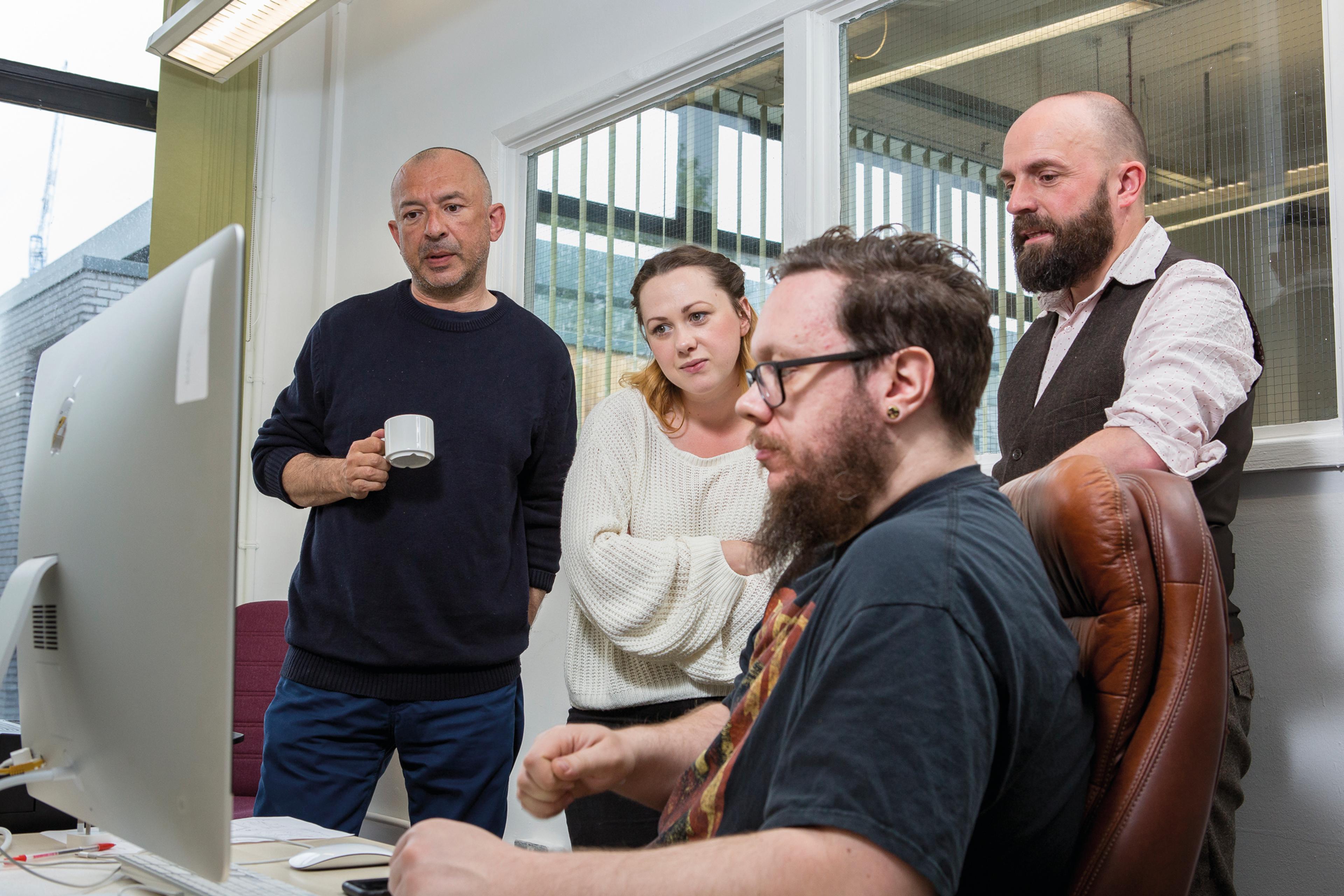
A notification flashes up on my computer. “Arturo Soto would like to join the video conference.” I click on “Accept”, and almost immediately the smiling face of the head of the social affairs department at the Mexican street paper Mi Valedor appears on my screen. “Hi there, how’s it going?” I say. And it is precisely how’s it going for the newspaper, the vendors and the people of Mexico City that Soto explains to me during our conversation.
Mi Valedor describes itself as a social project. Since 2015, Mexico’s only street paper to date has been working to integrate socially disadvantaged people into society and the labour market. Through its articles and, above all, a rich array of images, including photographs from different eras, drawings and prints, Mi Valedor explores life and culture in Mexico City.
A new issue is published roughly every three months with a print run of 5,000 copies and, much like Trott-war, its content comes from a wide variety of contributors: staff members, volunteers, photographers, freelance journalists and, of course, the vendors, the Valedores.
Who are the Valedores?
This slang term from Mexico City refers to people who value others and don’t let them down: supporters and friends. Valedores: that’s what the street paper vendors call themselves. Valedores are people whose lives revolve around the streets, people who are affected by unemployment and discrimination on the grounds of their age, gender or disability.
“Some Valedores are illiterate, whilst others have PhDs. If there’s one thing that never ceases to impress me, it’s the diversity of the street,” says Soto. In one respect, however, this diversity has declined. Most of the vendors are now Mexican. “There used to be more Valedores with a migrant background. The situation has changed significantly, partly due to Donald Trump’s restrictive immigration policy.”
The number of Valedores has multiplied in recent years. There are currently 51 people who earn part of their livelihood in this way. As independent vendors, they buy copies for 10 pesos (around €0.50 cents) each and sell them for 50 pesos (around €2.50).
If you’re familiar with other street papers, this sales model might seem familiar to you. However, there is also one major difference. “In the past, the Valedores mainly sold the newspaper on the streets. Then the pandemic hit. Sales plummeted,” explains Soto. Nowadays, the majority of sales take place at book fairs, at events in museums and galleries, and at other cultural events.
Due to the newspaper’s artistic focus, this is exactly where it reaches the right audience. “As well as the regular newspaper, we now also offer special editions and books written by the Valedores, and we sell items such as our own illustrations, jute bags, stickers and T-shirts.” The change in strategy is raising the newspaper’s profile. "We’ve even been invited to a book fair in Los Angeles this year.”
Although the sales process may now be different, the aims behind it have remained the same: to offer people on the margins of society career and personal prospects, to help them help themselves, and to promote their independence. Mi Valedor therefore provides the newspaper’s vendors with a wide range of support.
“Many of our Valedores do not have identity documents. Yet these are essential for participating in society, finding work or securing accommodation. We therefore support our vendors on what can sometimes be a long and bureaucratic journey towards obtaining new documents,” explains Soto.
However, there are also self-help groups, careers advice and medical and psychological support available. “Workshops are also held every day in our meeting room: group yoga, photography or computer courses and drawing classes.”
Soto explains that there are several organisations in Mexico City that provide people experiencing homelessness with a place to sleep at night. Mi Valedor makes sure that there’s always plenty of activities on offer during the day as well. The logic is simple: anyone learning to draw with the Valedores doesn’t have to be out on the street.
From Mexico to Bogotá
If you were to pack your bags in Mexico City and travel over 3,000km south-east on a four-and-a-half-hour flight, you would find an organisation that pursues very similar aims to Mi Valedor. In the heart of the Colombian capital, Bogotá, the Fundación Procrear has been working for almost 30 years to – as it puts it – alleviate social suffering.
What began in the late 1990s as a drug prevention project gradually developed into a permanent point of contact for those seeking protection and a hub for social projects. Does a young person need support at school? Has a girl been a victim of sexual violence and in need of psychological counselling? Is a trans person experiencing discrimination and wanting to find out about their rights? Through its day-to-day work in the field, in workshops, training programmes and theme days, as well as online via its podcast and YouTube channel, Fundación Procrear does all this and much more.
Since 2009, the charity has also been publishing a street paper. Since then, Revista La Calle (The Street Magazine) has evolved from a local newsletter into a comprehensive publication covering topics such as public health, sexual and reproductive rights, responsible and non-violent models of masculinity, migration and the realities of life on the streets.
“Today, just as back then, we want to listen to and give a voice to people who are not represented in mainstream media,” says editor-in-chief Juan Carlos Celis González. The aim is to highlight what would otherwise be overlooked. This includes, for instance, the story of the Revista La Calle vendor at the entrance to the Javeriana University in Bogotá, a thief’s account of his feelings while committing an offence, and stories from artists who display their work on the street.
But how does Revista La Calle actually reach its audience? Like Mi Valedor in Mexico, the magazine relies not only on street sales but also on social events and gatherings. “When the magazine was founded, its main aim was to create a dignified alternative to begging. Later on, aspects such as social integration and further education were added,” explains Milena Santafé, the managing-editor.
“Our vendors are now directly connected to the Fundación Procrear. In addition to their wages, we can also offer them help with finding accommodation, obtaining food and clothing, and support in overcoming difficult life situations.”
What unites us
However, just as in Germany, the world is also becoming more digital in the Americas. And more expensive. “Due to a lack of funding, it’s becoming harder to keep the journal going,” explains Celis González. They are currently trialling a digital format.
The editor-in-chief emphasises: "We’d like to have more permanent vendors. We hope that they will earn a decent income from sales and receive appropriate recognition for their work.” And for Mexico’s only street paper too, concerns about funding are ever present.
“As an independent organisation, we rely on people’s goodwill, on people who are willing to donate,” explains Soto from Mi Valedor, looking concerned towards the end of our video conference. It’s very complex to make such a project financially viable, and there is a growing focus on the digital sector. “We pay close attention to our social media channels and also manage our website very closely. But digital media will not replace print. We’re currently trying to strike a balance.”
At the end of the video conference, what remains above all are stories – from Mexico City, from Bogotá and, finally, from Stuttgart too. For here, too, we are faced with the question of how we can survive in a world that is becoming increasingly digital, more expensive and more complex; how we strike a balance between progress and humanity.
The distances are great, the differences are clear, but looking beyond our own horizons also makes it clear that social exclusion is not a local phenomenon. Neither, however, is it the power of solidarity. Street papers all over the world demonstrate precisely that writing can be more than just putting words on paper or on a screen. It can connect people, raise awareness and bring about change. And perhaps that is the most important message that remains once the screen goes dark again.
You may also be interested in...

Q&A: How The Big Issue Australia is empowering women through enterprise
Read more

Street Sense Media vendors stage play exploring solutions to homelessness
Read more