Teenage to twenties: a seven-year homelessness journey
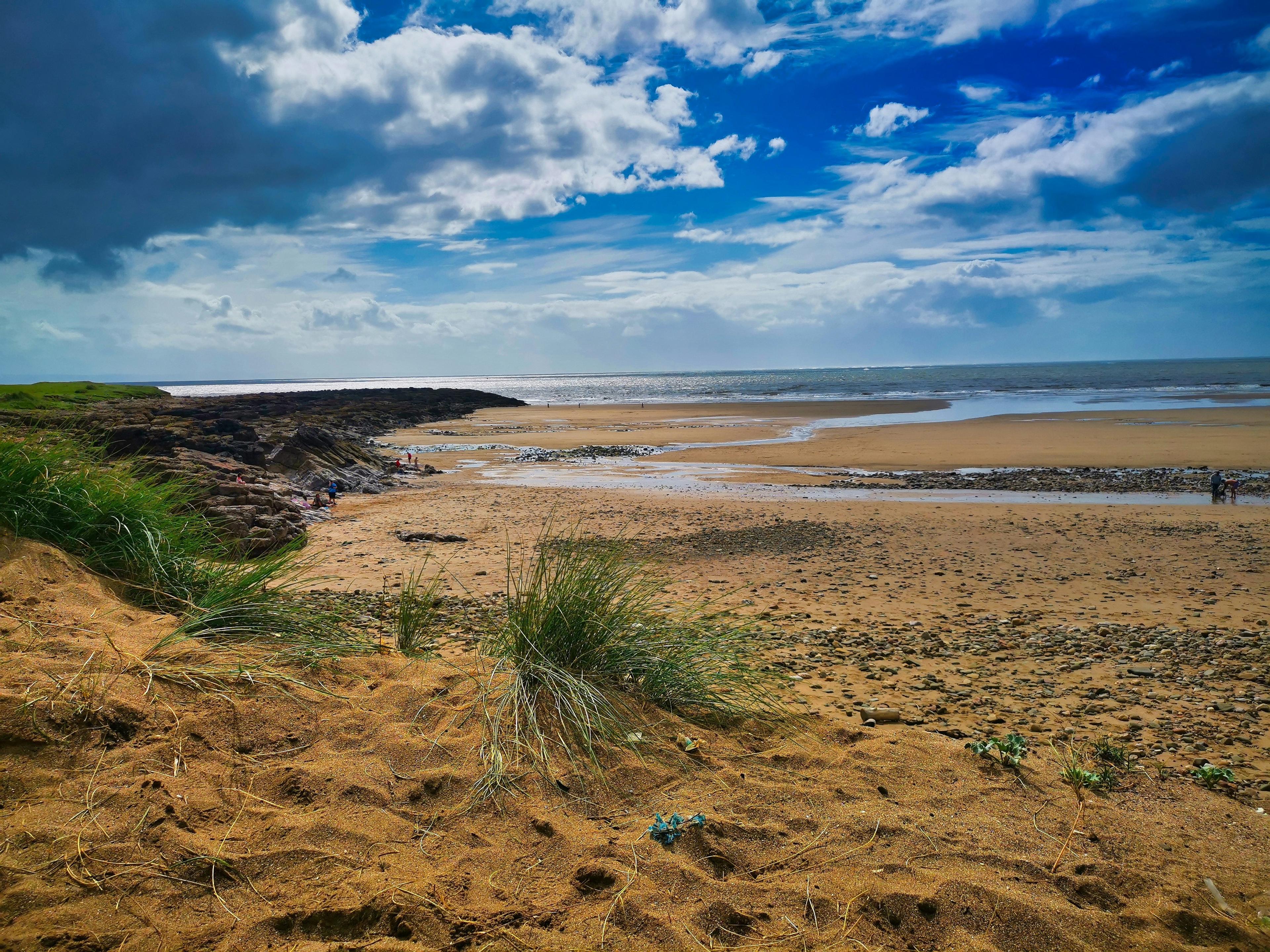

Photo by Lisa Baker
By Evan
- Lived experience
The following article is part of INSP’s Changing the Narrative series. It has been written as the result of the new journalism training academy, established in 2025 by INSP to provide people with direct experience of homelessness and poverty the opportunity to learn about journalism and the media, and to enhance their storytelling and written abilities. The training academy has two ambitions: to challenge media and public misconceptions about homelessness; and to tackle the lack of representation and diversity in newsrooms.
Let me take you back to January 2018. I was only 17, living in Bridgend, South Wales. I badly needed space from my family following some drama over the Christmas holidays. As each day passed, I became increasingly aware of the anger growing within me - I desperately needed to remove myself from the situation and calm down.
My family life had always been turbulent, but I’d had a spell of relative calm living with my aunt. Unfortunately, that year, things were becoming unsettled again. I knew it would be hard to leave the safe haven of my aunt’s home, but I simply had to. It was daunting, because I knew that would be the start of my homeless life.
With no other options, my first stop was the council, where I presented myself as an emergency homeless person. That day, I sat in the council offices from the moment they opened until the doors closed, not knowing my outcome. It was a bad day, filled with stress and anger. Thankfully, by late afternoon, the council had found me a temporary place to stay. Although the place I moved to was only temporary, it was at least somewhere safe for me. Then, after a week, the council found me a place at Llamau, a homeless hostel for under-18s.
My first night there was depressing, and I cried myself to sleep, wanting to be with my auntie. Despite the uncertainty, I managed to continue my studies in college. However, I was too afraid of making friends at the hostel for fear they would not understand my Roma gypsy life, so I kept to myself and only chilled with my college mates. I soon learned that trusting hostels was futile after hearing constant arguments between other residents and the staff. Back then, I was addicted to drugs, smoking weed in the hope it would relax me - a mistake I kept making for years.
On my eighteenth birthday, I was told that I’d be moving to a different hostel called Ewenny Road the next day. The news stressed me out, as I had to pack all my belongings that night, without a wink of sleep. When I arrived at the new hostel, I learned it was a Wallich hostel for 18 to 21-year-olds. Thankfully, I quickly found out that I could have friends there.
Despite my stay lasting only a few months, I enjoyed living there, but unfortunately, that’s where I made my second major mistake. I moved out to live with friends, an arrangement that turned sour after three months. Once again, I found myself presenting as homeless. At least this time I knew the right questions to ask.
After a short wait, I was moved into a hostel for families, but once again, I realised that having friends in hostels was futile. This hostel felt like a prison; it was strict, and we had a set time to be back at night before the doors were locked. Even the kitchen had a curfew at night. Within 18 months of living there, I was struggling with my mental health and had to start counselling to understand my feelings and learn how to cope.
Once the new year rolled around and COVID-19 began to threaten social interaction, I moved into Hartshorn House, my fourth hostel, located in the Maesteg Valley. Thankfully, I already had friends and family in Maesteg, so once pandemic restrictions were lifted, I was able to socialise with my mates and go on long hill walks in the surrounding countryside. Unfortunately, during the 16 months I lived there, my anger began to build up again because of taunting by the staff about my family, and eventually I was evicted for being defiant.
This landed me back in hostel no. 2 again, Brynmenyn, where I spent a further two years. Getting a job caused me to be evicted, even though I offered to pay rent until I’d saved enough to get my own place. That was a very bad period for me - in 2022, I was arrested and had to go to probation. At this point, I was sofa surfing with a family member, but my probation officer recommended Emmaus Bridgend, a homelessness service where I lived for a year and a half. Emmaus is a charity providing accommodation and work for residents who are called “companions”.
I’m still living in Emmaus supported accommodation, but I’m in Glasgow. I’m now 24, and when I look back, I wish I could return to that fateful day when I first became officially homeless at 17 - I’d tell my younger self to stay calm and but be assertive.
Seven years on, my homelessness journey continues, but my circumstances are more positive - living in supported accommodation allows me to take each day at a time. For now, I’m just focusing on having settled accommodation and a steady routine. This will do until I fix my mental health and find a permanent full-time job.