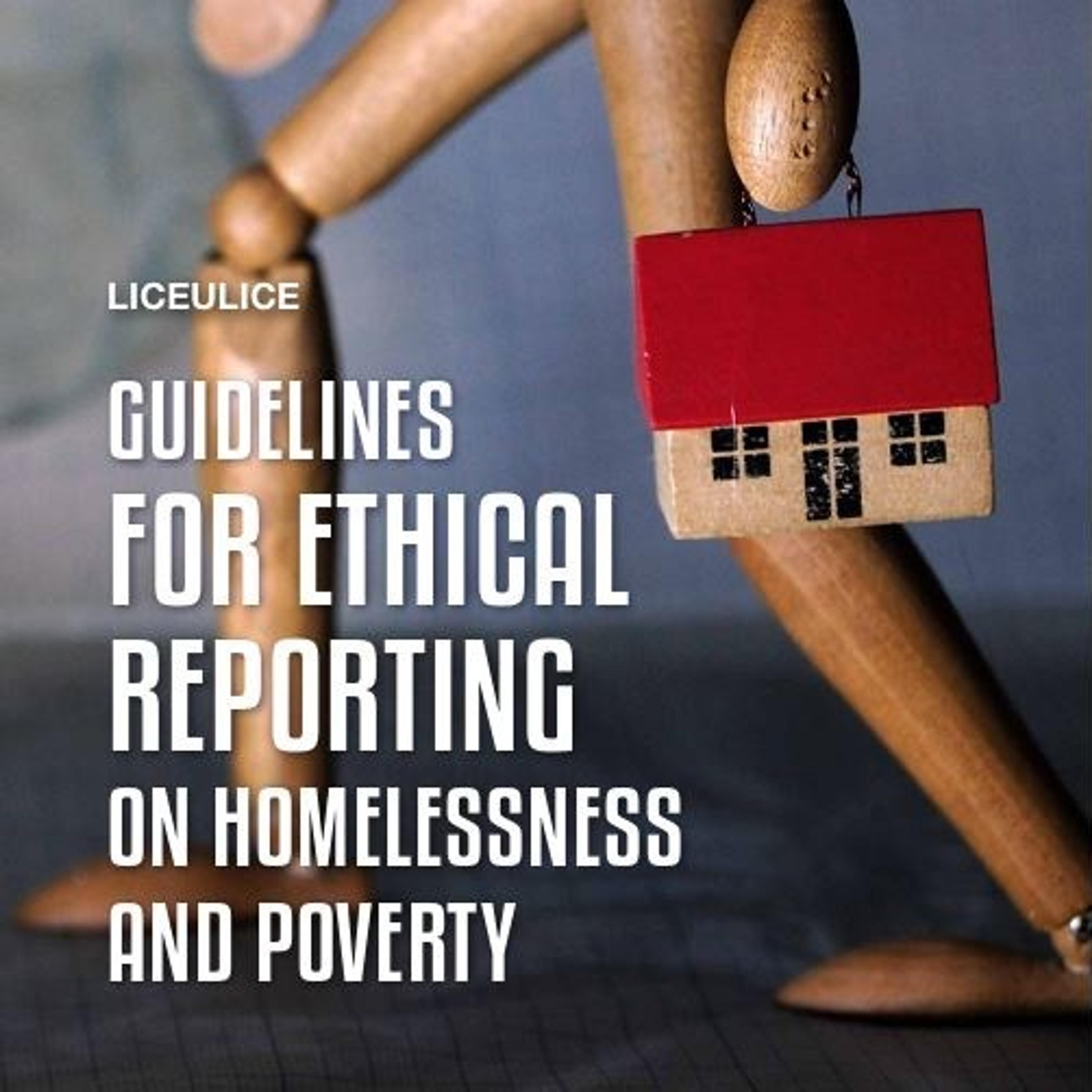
Homelessness, poverty, and social exclusion are structural problems that require systemic solutions and social responsibility. In media reports on these topics, especially in photographs and other visual materials, we usually encounter a distorted image – people living on the streets represented through stories of personal tragedy, poor decisions, or unfortunate circumstances.
Homelessness and poverty are not individual problems, but complex social phenomena caused by a multitude of economic, institutional, and social factors. The way that the media reports on homelessness and poverty shapes how our society understands these phenomena and how it relates to them.
Irresponsible reporting strengthens stereotypes and prejudice, dehumanising people living in poverty or in homelessness, as well as shifting responsibility from systems onto individuals. Stereotypical and/or sensationalist reporting, apart from being inaccurate, reduces empathy and solidarity among our readers and viewers by making it harder to understand the causes of structural problems that concern all citizens.
In contrast, responsible and ethical reporting informs the public, reduces stigma, and encourages the development of fairer policies – policies that serve to protect all citizens, not just those living in extreme poverty and on the margins of society.
These Guidelines for Ethical Reporting on Homelessness and Poverty summarise the experience that Liceulice has been building since 2010 in reporting on poverty, systemic discrimination, and housing and economic inequality faced by the most vulnerable citizens, as well as in providing direct support for economic empowerment.
The principles in the Guidelines are based on the editorial work of Liceulice team, direct work with beneficiaries, as well as cooperation with partner organisations from the Network for Combating Homelessness.
Guidelines for ethical reporting on homelessness and poverty can be downloaded here.